Hair thinning and hair loss can feel overwhelming, especially when progress seems slow or unpredictable. PRP therapy has become a trusted, non-surgical option for those seeking a natural approach to hair restoration. If you’re researching PRP hair results, understanding how the treatment works—and how results develop over time—can help you decide whether it’s the right solution for your goals.
At Grand Pearl Med Spa in Grand Rapids, Michigan, PRP hair treatments are designed to support follicle health, encourage new growth, and improve hair quality using your body’s own regenerative abilities. Because PRP works gradually, knowing what to expect at each stage is key to setting realistic expectations and staying confident throughout the process.
Key Points:
- PRP hair treatments use concentrated platelets from your own blood.
- This process supports follicle health and scalp circulation.
- Results appear gradually over several months, and the best outcomes occur with a series of treatments.
- Maintenance sessions help extend long-term results.
How PRP Stimulates Hair Growth
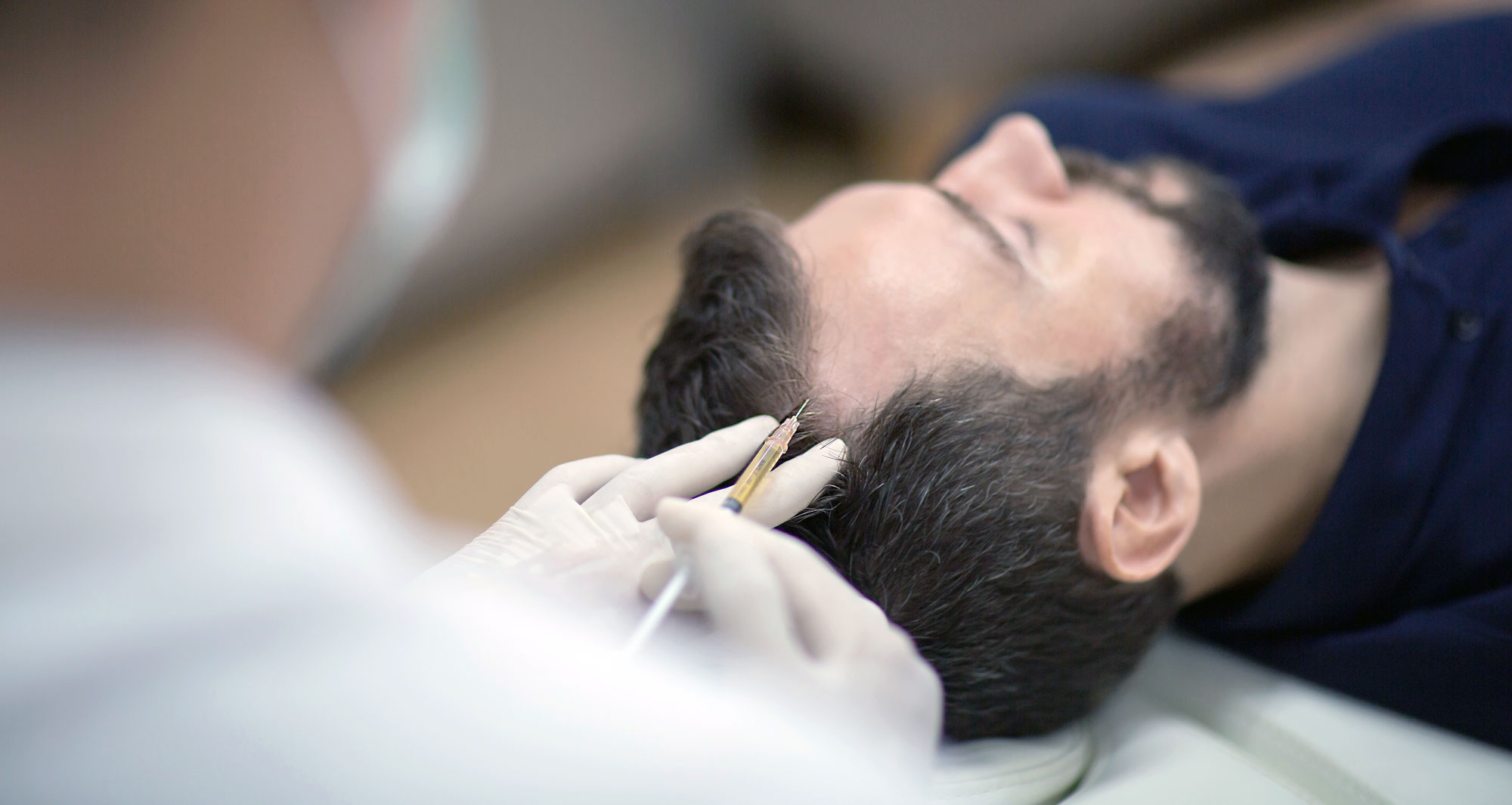
PRP (platelet-rich plasma) therapy begins with a simple blood draw. That blood is processed to separate and concentrate platelets, which contain growth factors essential for tissue repair and regeneration. Once prepared, the PRP is carefully injected into targeted areas of the scalp where thinning or hair loss is present.
For hair restoration, these growth factors help stimulate dormant follicles, improve blood flow, and create a healthier scalp environment. Over time, this signaling encourages follicles to remain in the growth phase longer while producing stronger, thicker strands. Rather than forcing hair to grow, PRP supports the body’s natural hair cycle, which is why PRP hair results tend to look gradual and natural.
PRP can also help reduce inflammation around the follicles, which is often a contributing factor in excessive shedding or thinning. By addressing both follicle stimulation and scalp health, PRP offers a well-rounded approach to hair restoration.
Timeline for Visible Results
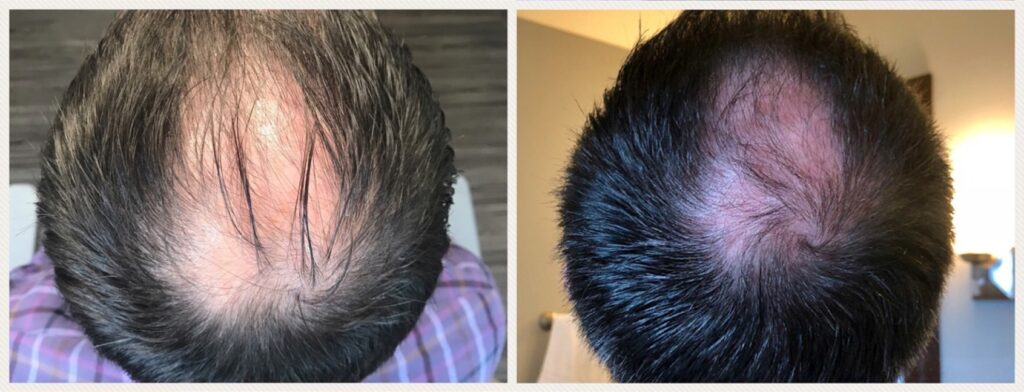
One of the most common questions surrounding PRP hair results is how long it takes to see improvements. While results vary based on hair loss severity, genetics, and consistency of treatment, most people experience a similar progression.
During the first month, changes often include reduced shedding rather than visible regrowth. This early shift is a positive sign that follicles are stabilizing. Between months 2 and 3, hair may begin to feel stronger, with improved texture and less breakage. Around 4-6 months post-treatment, visible thickening and increased density typically become noticeable in treated areas.
Because hair grows slowly, PRP hair results continue to improve even after the initial treatment series is complete. Full results may take 6-12 months to develop, especially when PRP is used as part of a comprehensive hair restoration plan.
PRP Hair Treatment Results Timeline: What To Expect
| Timeframe | What’s Happening | What You May Notice |
| Weeks 1-4 | PRP begins supporting follicle stimulation and scalp health | Reduced shedding; improved scalp comfort |
| Months 2-3 | Follicles strengthen and remain in the growth phase longer | Hair feels stronger, with less breakage and improved texture |
| Months 4-6 | New growth becomes more visible | Increased density; thicker-looking hair in treated areas |
| Months 6-12 | Continued follicle stimulation and maturation | Fuller appearance; improved hair quality and coverage |
| Ongoing (maintenance) | Periodic PRP treatments reinforce long-term results | Helps preserve PRP hair results over time |
What Changes To Look for After Each Session
PRP hair treatments are usually performed as a series, allowing results to build over time. After the first session, many people notice less daily shedding and improved scalp comfort. Hair may feel healthier and more resilient, even if visible density has not changed yet.
Following the second and third sessions, strands often appear thicker and fuller, and styling becomes easier. New growth may initially appear finer or lighter in texture, gradually strengthening as the follicles respond to treatment. These incremental changes are a hallmark of successful PRP hair results and indicate that follicles are responding as intended.
Because PRP works beneath the surface, subtle improvements often precede visible regrowth. Staying consistent with the recommended treatment schedule is essential for achieving optimal hair restoration outcomes.
Long-Term Benefits With Maintenance Treatments
While an initial PRP series can produce noticeable improvements, long-term success often depends on maintenance. Hair loss is frequently progressive, meaning follicles may weaken again over time without continued support.
Maintenance treatments—typically once or twice per year—help reinforce follicle health and extend PRP hair results. These sessions continue delivering growth factors to the scalp, supporting circulation and ongoing regeneration. When combined with healthy lifestyle habits and professional guidance, PRP can remain an effective long-term hair restoration solution.
Who Is a Good Candidate for PRP Hair Restoration?
PRP is well-suited for individuals experiencing early-to-moderate hair thinning, increased shedding, or changes in hair density. It can be effective for both men and women and is often chosen by those looking for a non-surgical hair restoration option with minimal downtime.
PRP may be less effective for individuals with extensive baldness or inactive follicles, which is why a professional evaluation is essential. A consultation with a Grand Pearl Med Spa specialist can help determine whether PRP is the right approach for you or if additional therapies should be considered to support PRP hair results.
When To Consider Additional Therapies
PRP is highly effective for many individuals, but in certain cases, it may work best when combined with other therapies. Those experiencing advanced thinning or widespread hair loss may benefit from pairing PRP with synergistic treatments designed to further support follicle stimulation and scalp health.
A personalized consultation allows for a thorough evaluation of hair loss patterns, goals, and medical history. This ensures that PRP is used strategically—either as a standalone option or as part of a customized hair restoration plan—to maximize results and long-term satisfaction.
Frequently Asked Questions
How soon will I see results from PRP hair treatments?
Reduced shedding may begin within the first month. Visible thickening and new growth typically develop between months 3 and 6, with continued improvements over time.
What does new hair growth look like after PRP?
New growth often starts as fine, soft hairs that gradually thicken and blend naturally with existing hair for a fuller appearance.
How many sessions are needed for full results?
Most treatment plans include 3-4 sessions spaced about 4-6 weeks apart to achieve optimal PRP hair results.
Will I need maintenance treatments after initial PRP sessions?
Yes. Maintenance treatments once or twice per year help support ongoing follicle health and preserve results.
Can PRP regrow hair in thinning or bald areas?
PRP works best in areas with thinning hair or weakened follicles. Areas with complete follicle inactivity may respond less predictably.
Support Natural Hair Restoration at Grand Pearl Med Spa
PRP therapy offers a natural, science-backed approach to improving hair strength, density, and overall scalp health. While PRP hair results develop gradually, consistency and proper maintenance can lead to meaningful, long-lasting improvements. If you’re exploring hair restoration options and want a personalized plan tailored to your goals, Grand Pearl Med Spa in Grand Rapids, MI, is here to help. Schedule a consultation to learn how PRP hair treatments can help you achieve healthier, fuller hair over time.
we’d love to meet you
Schedule a consultation
Are you ready to take the first step towards achieving your goals? Schedule a consultation with us today! Request an appointment in our online form or call us at (616) 888-3100.
Have a Question?