The success rate of PRP hair treatment typically falls between 70% and 90% for patients with early to moderate thinning, according to the clinical outcomes reported across dermatology and hair restoration research. Platelet-rich plasma (PRP) therapy uses your own blood’s healing factors to stimulate dormant follicles and slow shedding. If you have noticed thinning at the crown, a widening part, or a receding hairline, this data-backed treatment offers a scientifically proven, physician-guided path to fuller hair without surgery.
Key Takeaways
-
PRP hair treatment succeeds in roughly 70% to 90% of appropriately selected patients. Success is generally measured by increased hair density, reduced shedding, and improved follicle thickness on clinical exams.
-
Most patients need an initial series of 3 to 4 monthly sessions to see meaningful results. Visible improvement in hair density and thickness typically appears between 3 and 6 months after starting treatment.
-
Maintenance sessions every 4 to 6 months help sustain results long term. PRP stimulates existing follicles rather than creating new ones, so ongoing care supports lasting density.
-
Early-stage thinning responds better than advanced baldness. Patients with some remaining follicle activity see stronger outcomes than those with long-term, fully dormant areas.
-
Combining PRP with microneedling or exosome therapy can improve overall results. These complementary treatments enhance scalp absorption and cellular signaling for a more robust response.
Curious whether your hair loss pattern is a good match for this treatment? Schedule a consultation with our Grand Rapids team to review your scalp health and build a personalized plan.
Introduction to PRP hair treatment
PRP hair treatment has become one of the most sought-after non-surgical options for men and women experiencing early hair thinning. At Grand Pearl Spa, we approach every case with a personalized approach rooted in scientific innovation and physician-guided care. PRP is not a miracle cure, but it is a legitimate, research-supported therapy that leverages your body’s own regenerative properties.
Unlike topical products or temporary fixes, PRP works at the follicular level to encourage genuine biological change. Patients considering this treatment often want to understand realistic outcomes before committing to a series of sessions. To learn more about what results look like over time, our PRP hair treatment results guide walks through the typical timeline in detail. Understanding the science behind PRP helps set accurate expectations from day one.
How PRP works for hair restoration
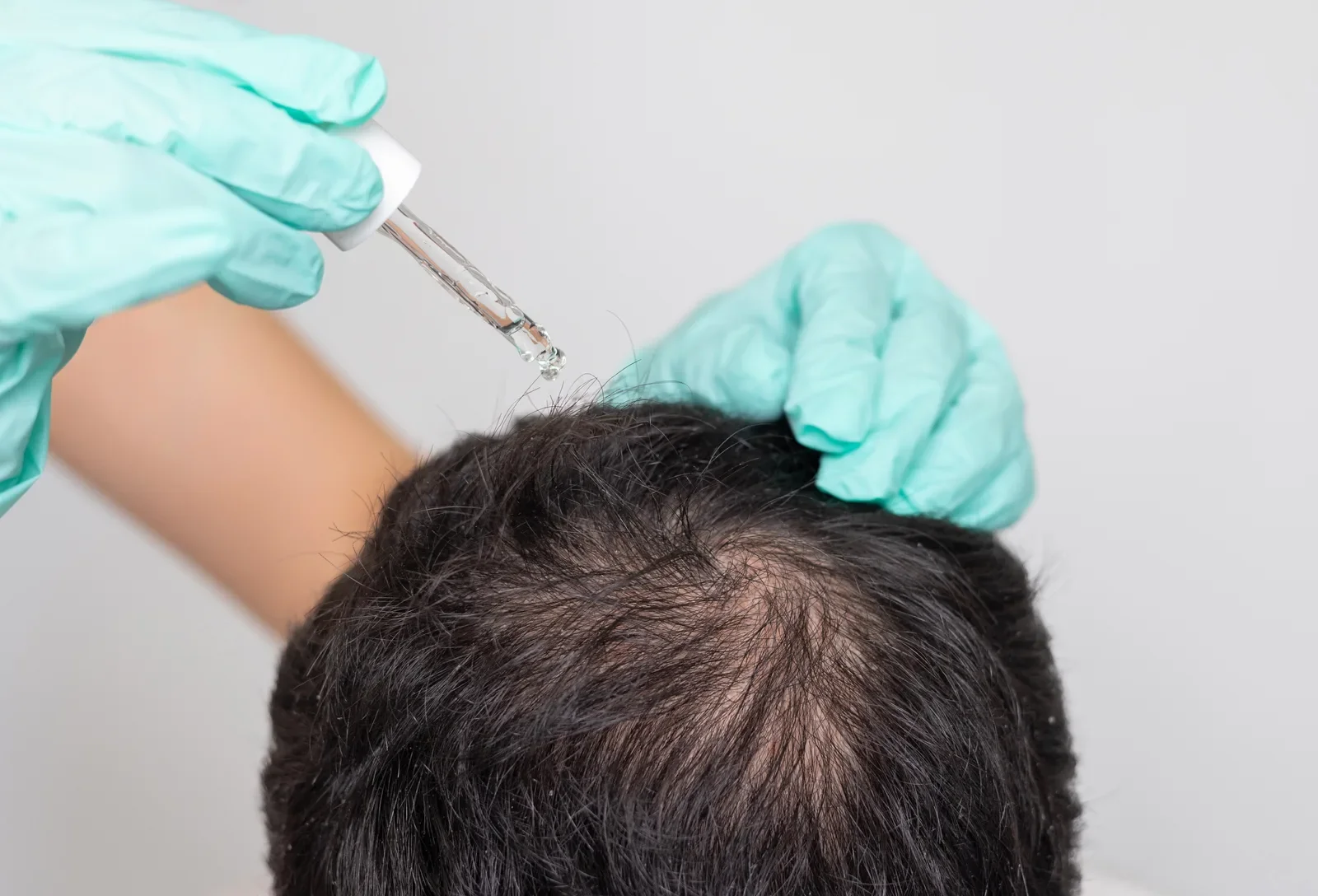
PRP for hair restoration works by concentrating growth factors from your own blood and injecting them into thinning areas of the scalp. A small blood sample is drawn, spun in a centrifuge to isolate the platelet-rich layer, then applied directly where follicles need support. This concentrated plasma contains growth factors that signal dormant or weakened follicles to reenter an active growth phase.
Think of it as sending a wake-up call to hair follicles that have slowed down but have not yet stopped functioning entirely. The growth factors improve blood supply to the follicle and extend the hair’s active growth phase, known as anagen. For a deeper explanation of the mechanism, our article on how PRP injections work breaks down the cellular process. Many providers now pair PRP with microneedling techniques to enhance absorption into the scalp tissue.
Clinical studies on PRP success rates
Clinical research on PRP for androgenetic alopecia (the most common form of hereditary hair thinning) has shown consistently favorable outcomes. Multiple peer-reviewed studies report increased hair density, greater hair shaft thickness, and reduced shedding after a series of PRP sessions. A systematic review published by the National Institutes of Health found that PRP produced statistically significant improvements in hair count and density compared to baseline measurements across several controlled trials.
Success rates in these studies generally range from 70% to 90%, with the greatest improvement seen in patients treated during earlier stages of hair loss. Researchers measure success through objective markers such as trichoscopy imaging, hair pull tests, and patient-reported satisfaction. While results vary by individual, the body of clinical evidence supports PRP as a treatment with demonstrated efficacy backed by controlled research. For more background on the science, see our post introducing PRP therapy.
Factors influencing the success of PRP treatment
Several factors influence how well PRP hair treatment works for a given patient. The stage of hair loss matters significantly. Patients with early to moderate thinning who still have some active follicles tend to respond better than those with long-standing bald patches where follicles have gone dormant.
Other variables include:
-
Overall health and nutrition: Iron levels, thyroid function, and general wellness affect how follicles respond to stimulation.
-
Consistency of sessions: Skipping appointments in the initial series can reduce the cumulative benefit.
-
Underlying cause of hair loss: PRP works best for genetic and stress-related thinning, and less predictably for scarring alopecia.
-
Provider technique and PRP concentration: Platelet concentration and injection depth both affect outcomes.
-
Complementary treatments: Adding exosomes or the Keravive scalp treatment can support a more comprehensive wellness journey for your hair.
A physician-guided evaluation helps determine which factors apply to your specific situation before starting treatment.
Typical results and patient experiences
Most patients who complete a full PRP series report visibly thicker, fuller-looking hair within 3 to 6 months. The initial protocol usually involves three to four sessions spaced about a month apart, followed by maintenance treatments every 4 to 6 months to preserve results. Many patients describe less hair in their brush or shower drain as one of the earliest signs of improvement.
In our experience at Grand Pearl Spa, patients who stay consistent with their scheduled sessions and follow their personalized approach tend to report the highest satisfaction. Since PRP is minimally invasive and uses your own blood, downtime is minimal, and most people return to normal activities the same day. If PRP alone does not feel like the right fit, our guide on whether you can regrow hair without surgery explores additional non-surgical options worth considering.
Frequently asked questions about PRP hair treatment success
What is the average success rate of PRP hair treatment?
Clinical research generally places PRP success rates between 70% and 90% for patients with early to moderate hair thinning. Success is typically measured by improved hair density, thickness, and reduced shedding rather than complete regrowth of bald areas.
How many PRP sessions are needed to see results?
Most treatment plans call for 3 to 4 initial sessions spaced about a month apart. Visible improvement usually appears between 3 and 6 months, with maintenance sessions every 4 to 6 months after that.
Is PRP hair treatment painful?
PRP involves a series of small injections into the scalp, which may cause mild, brief discomfort. Most patients tolerate the treatment well, and topical numbing can be used to improve comfort.
Who is a good candidate for PRP hair restoration?
Ideal candidates have early to moderate hair thinning with some remaining follicle activity, such as those with androgenetic alopecia. Patients with fully dormant follicles or advanced scarring alopecia may see more limited results and should discuss alternatives during a consultation.
Does PRP work better combined with other treatments?
Many patients see enhanced results when PRP is combined with microneedling or exosome therapy, since these approaches improve scalp absorption and cellular signaling. Your provider can recommend a combined protocol based on your scalp assessment.
How long do PRP hair treatment results last?
Results from an initial series can last several months, but ongoing maintenance sessions every 4 to 6 months are typically needed to sustain density over the long term. PRP supports existing follicles rather than permanently altering hair growth patterns.
Start your hair restoration journey at Grand Pearl Spa in Grand Rapids, MI
Grand Pearl Spa combines state-of-the-art PRP technology with a personalized approach to help you achieve your aesthetic goals with confidence. Our team in Grand Rapids, Michigan evaluates your scalp health, hair loss pattern, and overall wellness to build a treatment plan designed around real, achievable outcomes. Contact Grand Pearl Spa at 220 Lyon St NW STE 700, Grand Rapids, MI 49503, or call (616) 888-3100, to schedule your consultation and take the next step toward fuller, healthier-looking hair.
we’d love to meet you
Schedule a consultation
Are you ready to take the first step towards achieving your goals? Schedule a consultation with us today! Request an appointment in our online form or call us at (616) 888-3100.
Have a Question?